Hydrangea Care Guide: Cut Flowers and Potted Plants
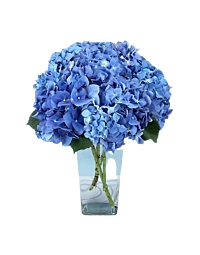
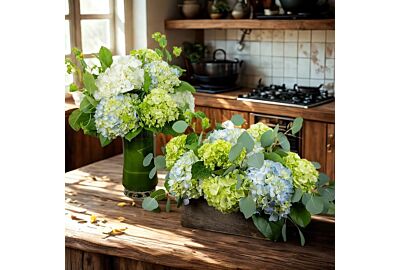
Hydrangeas are loved for their large, cloudlike flower heads and beautiful shades of blue, lavender, pink, white and green. A single hydrangea stem can make a dramatic statement, while several stems create a lush, full arrangement.
However, hydrangeas are also famous for suddenly wilting. A flower that looked perfect in the morning can appear tired by the afternoon. This does not necessarily mean the flower is old or dead. Hydrangeas are extremely thirsty flowers, and wilting is usually related to water uptake, heat or improper handling.
At 5280Flowers, we use hydrangeas in everything from elegant everyday arrangements to sympathy flowers, wedding designs and seasonal centerpieces. We also offer beautiful potted hydrangea plants when they are available.
Shop Hydrangea Flower Arrangements and Plants from 5280Flowers
Why Do Cut Hydrangeas Wilt So Quickly?
Hydrangea flower heads are made up of many delicate florets, creating a large surface that loses moisture rapidly. Their leaves also release a considerable amount of water. This means the stem must continuously supply moisture to both the leaves and the oversized flower head.
Several things can interrupt that water supply:
- The vase runs low on water.
- Bacteria accumulate in the vase and block the stem.
- The stem end becomes dry, woody or sealed.
- Leaves are left below the waterline.
- The arrangement is placed in direct sunlight or near a heat source.
- The flowers are exposed to a hot or very dry room.
- The floral foam holding the arrangement is allowed to dry out.
Colorado’s low humidity can make proper hydration especially important. Hydrangea arrangements should not be placed next to a sunny window, fireplace, heating vent or strong fan.
How to Care for Cut Hydrangeas
Hydrangeas drink much more water than many other cut flowers. Check your arrangement every day, even when the vase still appears to contain water.
Keep the Vase Full
Maintain a generous water level so the stems can drink continuously. Large hydrangea arrangements may consume a surprising amount of water overnight.
If your arrangement is designed in floral foam, slowly add water to the center of the container every day. Floral foam should remain moist at all times. Once it dries completely, it can be difficult for the hydrangea stems to rehydrate.
Use a Clean Vase
Bacteria in the water can block the stems and prevent proper hydration. If your flowers are in a vase arrangement, change the water every two or three days whenever possible.
Wash the vase before refilling it, and use the flower food supplied with your arrangement. Always mix flower food according to the directions rather than making the solution extra strong.
Recut the Stems
Use a clean, sharp knife or floral clippers to remove approximately one inch from the bottom of each stem. Cutting the stem exposes fresh tissue and helps the flower take up water.
Return the stems to water immediately. Do not leave freshly cut hydrangeas sitting on a counter while you clean or rearrange the vase.
Remove Submerged Leaves
Any leaves below the waterline should be removed. Submerged foliage breaks down quickly, encourages bacterial growth and may shorten the life of the arrangement.
Keep Hydrangeas Cool
Display hydrangeas away from direct sunlight, heat, drafts and ripening fruit. A cooler location will generally help cut flowers last longer.
How to Revive a Wilted Hydrangea
A wilted hydrangea may still be salvageable, especially if the petals remain soft and have not turned brown or crisp.
- Remove the wilted hydrangea from the arrangement.
- Use clean clippers or a sharp knife to recut the bottom of the stem.
- Place the stem in a clean container filled with fresh water and flower food.
- Keep the flower in a cool location while it rehydrates.
If the bottom of the stem is extremely woody, cut above the hardened portion to expose fresher tissue.
Hydrangea blooms can also absorb moisture through their petals. Lightly misting the flower head or carefully placing the bloom in cool water for a short period can sometimes help it recover. Allow the flower to drain and dry before returning it to the arrangement.
Be gentle when handling a wet bloom. Hydrangea petals can bruise easily, and leaving flowers wet without adequate airflow may encourage spotting or fungal damage.
A hydrangea that has become brown, crisp or papery is usually past the point of rehydration. However, some antique hydrangea varieties may still dry beautifully.
What Are Dutch Hydrangeas?
Dutch hydrangeas are premium cut hydrangeas grown in the Netherlands under carefully controlled conditions. They are especially prized by florists for their large flower heads, strong stems, unusual colors and consistent quality.
Dutch hydrangeas are generally described as either fresh or classic.
Fresh Dutch Hydrangeas
Fresh Dutch hydrangeas are available in clear shades such as white, pink, green, blue and purple. They have a soft, fresh appearance that works beautifully in spring and summer flower arrangements.
Classic Dutch Hydrangeas
Classic Dutch hydrangeas are harvested at a more mature stage. As the flowers mature on the plant, their colors develop complex antique tones such as dusty rose, sage green, burgundy, smoky blue, silver and purple. Their petals are often firmer and more substantial than those of younger hydrangeas.
Classic hydrangeas are especially beautiful in fall arrangements, European-style floral designs and upscale centerpieces. Their rich, blended coloring means that no two flower heads look exactly alike.
Because Dutch hydrangeas are imported and seasonal, particular colors and varieties may not always be available. Our designers select the best hydrangeas available at the flower market based on season, quality and color.
How to Care for a Potted Hydrangea Plant
A potted florist hydrangea is different from a cut hydrangea arrangement. It is a living plant, but it still needs consistent moisture and a suitable environment.
Check the Soil Frequently
Keep the soil evenly moist, but do not leave the plant standing in water. Hydrangeas can wilt dramatically when their soil becomes dry.
Check the soil with your finger. If the surface feels dry, water the plant thoroughly and allow the excess water to drain. Always remove or open decorative foil before watering so water does not become trapped around the pot.
Provide Bright, Indirect Light
Place your potted hydrangea where it receives plenty of light without intense afternoon sun. Strong sunlight through a window can overheat the leaves and flowers, particularly in Colorado.
Keep the Plant Away from Heat
Potted hydrangeas prefer a relatively cool room. Heating vents, fireplaces and hot windows can cause the flowers to fade and the soil to dry much faster.
Do Not Overwater
Wilting does not always mean that a plant needs more water. If the soil is already wet and the plant remains wilted, its roots may be stressed by poor drainage or excessive watering.
A flowerpot that constantly sits in water may develop root rot. Healthy hydrangea roots need both moisture and oxygen.
Why Did My Potted Hydrangea Die?
The most common problem is inconsistent watering. A small greenhouse pot can dry out quickly, especially when supporting a plant covered with large flowers and leaves.
Other common causes include:
- Standing water inside decorative foil or an outer container
- Direct afternoon sunlight
- Hot, dry indoor air
- Poor drainage
- Cold or heat exposure during transportation
- Planting outdoors before the danger of frost has passed
- Assuming a florist hydrangea will perform like a hardy landscape shrub
Florist hydrangeas are grown in greenhouses primarily for their spectacular flowers. They are often less winter-hardy than hydrangeas sold by outdoor nurseries. Planting one outside is possible, but survival and future flowering are not guaranteed—particularly after a severe Colorado winter or a late spring freeze.
If you plan to move a florist hydrangea outdoors, wait until the danger of frost has passed. Choose a protected location with morning sun, afternoon shade, well-drained soil and access to regular water.
Why Is My Hydrangea Plant Alive but Not Blooming?
A hydrangea can produce healthy green leaves without producing flowers. This is frequently caused by improper pruning or winter damage.
Some hydrangeas bloom on old wood, meaning their flower buds formed during the previous growing season. Pruning at the wrong time can accidentally remove those buds. Colorado’s fluctuating winter temperatures and late freezes can also damage flower buds without killing the entire plant.
Before pruning an outdoor hydrangea, identify its variety and determine whether it blooms on old wood, new wood or both.
Do Hydrangea Colors Change with the Soil?
Many people have heard that soil pH changes hydrangea color. This is true primarily for certain bigleaf hydrangeas.
Acidic soil can make aluminum more available to the plant, encouraging blue tones. Less acidic or alkaline conditions are more likely to produce pink flowers. Genetics, aluminum availability and growing conditions all play a role, so changing the soil pH does not guarantee an immediate or exact color.
White hydrangeas generally remain white because they do not contain the same color-changing pigments.
Hydrangea Arrangements and Plants from 5280Flowers
Hydrangeas are an excellent choice when you want a gift that feels generous, elegant and full. They can be designed on their own or paired with garden roses, orchids, lilies, delphinium, seasonal greenery and other premium flowers.
Hydrangeas are appropriate for birthdays, anniversaries, sympathy gifts, thank-you flowers, new baby celebrations, weddings and elegant corporate gifts.
Availability changes throughout the year, especially for Dutch hydrangeas and unusual antique colors. Our designers may substitute a comparable variety when a particular hydrangea is unavailable, while preserving the arrangement’s overall style, value and color palette.
Explore Hydrangea Flower Arrangements and Potted Plants
5280Flowers offers hydrangea arrangements, seasonal plants and custom floral designs for delivery throughout Denver and the surrounding area. Contact us if you would like help selecting or creating the perfect hydrangea gift.